Reality Check
What happens after I get back out there

I’m delighted to have an interview published today on poet Emily Mohn-Slate’s “Beginner’s Mind” series for her Substack column, Be Where You Are.
The “Beginner’s Mind” series is about all the ways we use mindfulness techniques to keep us present in our writing and everyday lives—and my interview talks about the mindfulness approaches I’ve used to try to soften the blows of the last few years, which have been many.
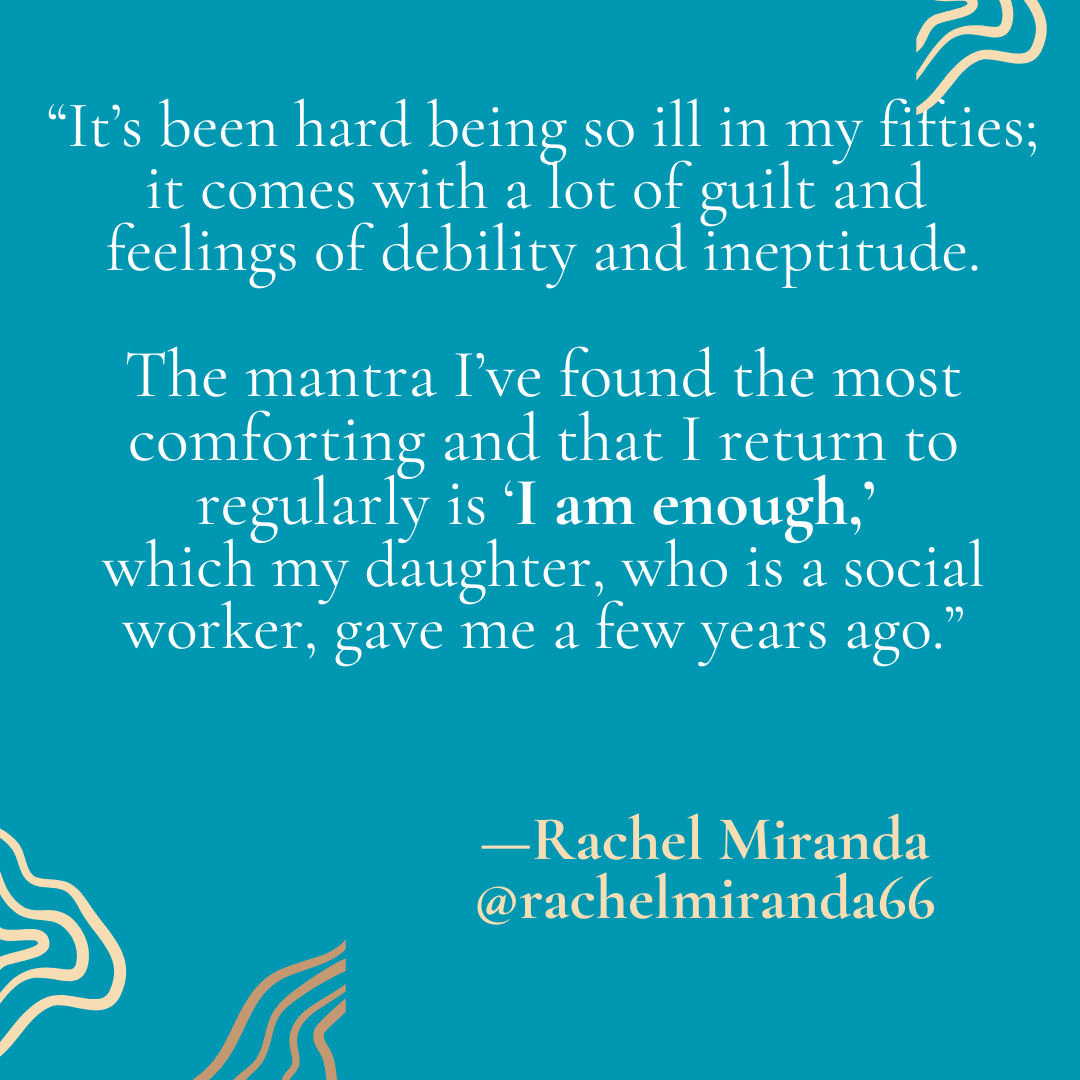
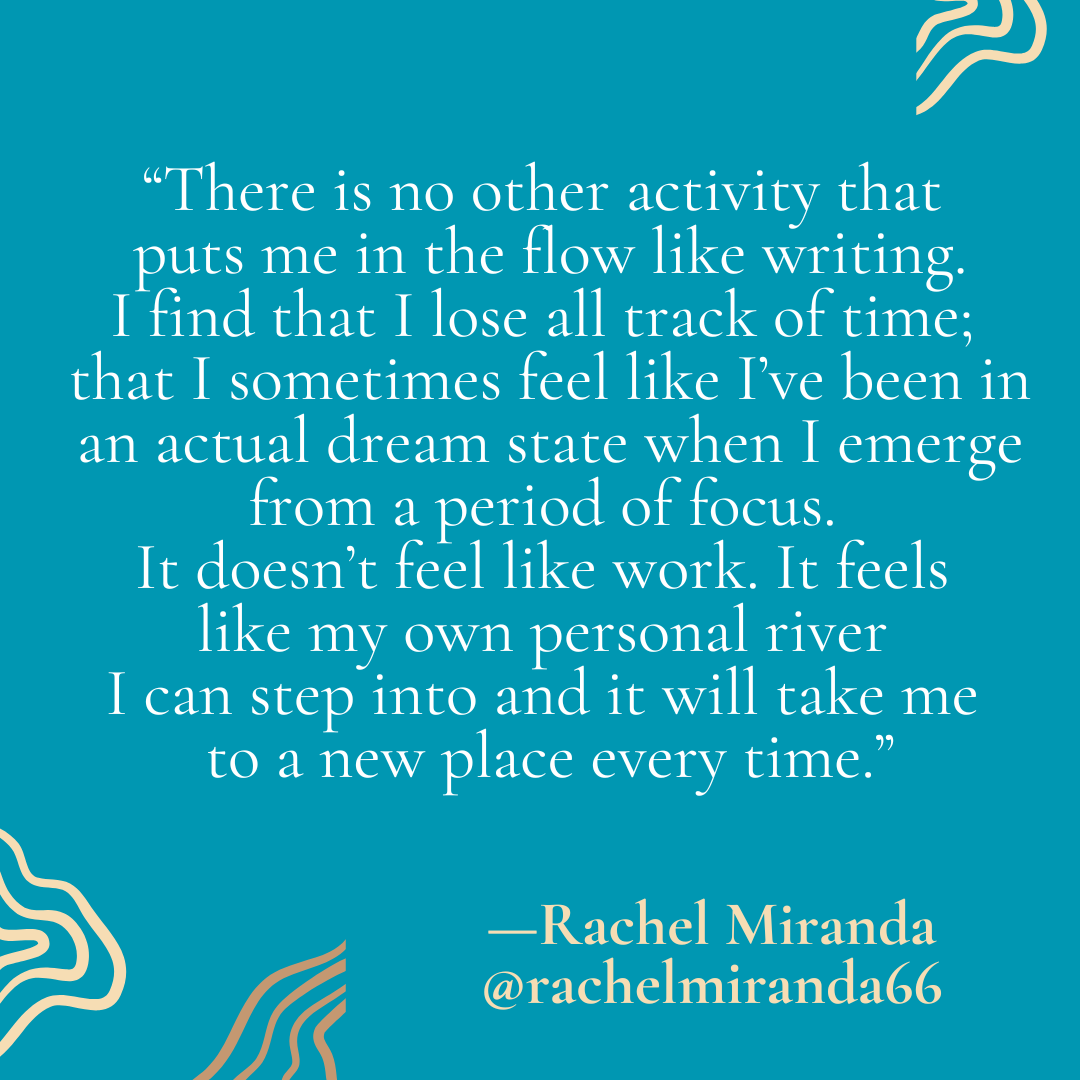
I also talk about how writing has been its own mindfulness practice for me—something I was surprised to realize as I was answering Emily’s excellent questions.
In other—obliquely related—news, my tiny trip to LA didn’t go exactly as I’d hoped. Instead, I was hip-checked by the reality goblins about my plans to undertake a bicoastal life.
I went on this trip to gingerly put my toe in the water out in the world (as I wrote about in my previous Substack column) and more specifically, as a sort of “recon” mission to begin to manifest the possibility of moving to Los Angeles in the fall, a plan I’d hatched for the following six excellent reasons:
1. My son, Jake, and his wife live out there, and I loved the idea of getting to spend some more time with them, since they’ve been far away for several years now.
2. My two older daughters who live in the northeast have done a lot of caregiving over these last, most challenging years, so I thought it would be good to give them a break for a while—even as I’m hoping that my need for caregiving is waning.
3. The outdoor culture on the West Coast is far more active for a much bigger slice of the year than in the northeast, because, well, sun and warmth. This has implications not just for my mood but for my social life, given the immunocompromise of post-transplant life.
4. There are THREE world-class transplant centers in Los Angeles.
5. There is a wonderful synagogue in LA called Ikar that I’ve been attending online for years, that I think could provide the seedlings of a community for me.
6. The Mediterranean landscape and architecture appeal deeply to my aesthetic—and are likely the closest I will get to living in the actual Mediterranean any time soon.
So, I managed passably with schlepping the portable oxygen concentrator through Newark airport before I was able to get a ride—something I was worried about, and it was physically very challenging, though I never needed the POC at all during the flight (maybe next time I can leave it home!). Being around so many people and especially wearing that mask for eight hours was even more physically draining. I arrived utterly exhausted. I wasn’t even sure I was coherent the first day. Despite the totally different landscape, I kept having flashbacks to Branford, Connecticut, a small shoreline town where I’d lived for several years before moving to northern NJ to live with my oldest in 2023 as my illness was advancing. These flashbacks seemed random to me, until they didn’t.
I slept for almost twelve hours that night—possibly the longest I’ve ever slept in my life (if you don’t count surgeries). When I woke up, the world around me was just as beautiful as I remembered from my last visit. The houses! The Spanish-California architecture! The flora! All gorgeous, including the house where my son and daughter-in-law live and work.
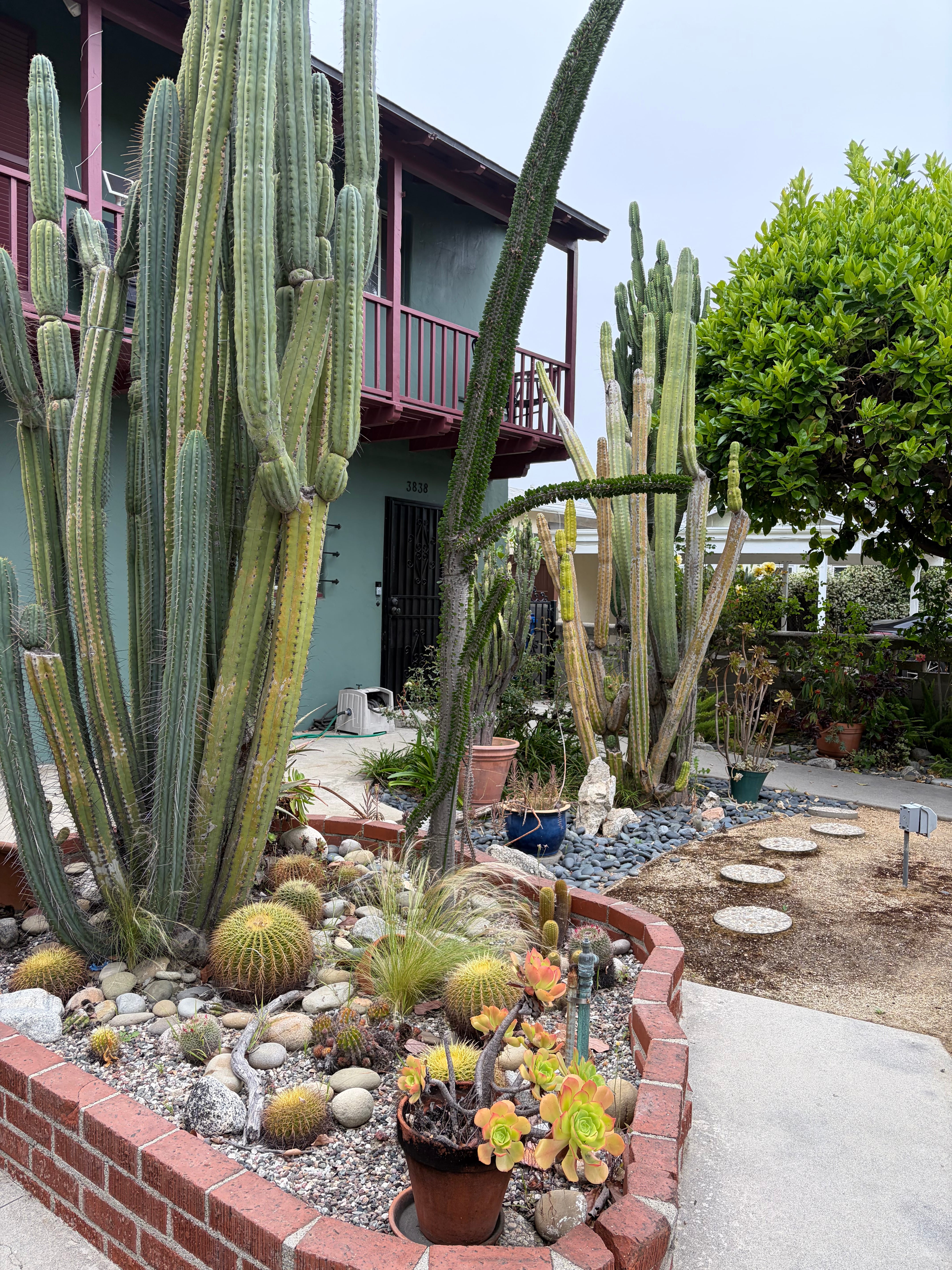
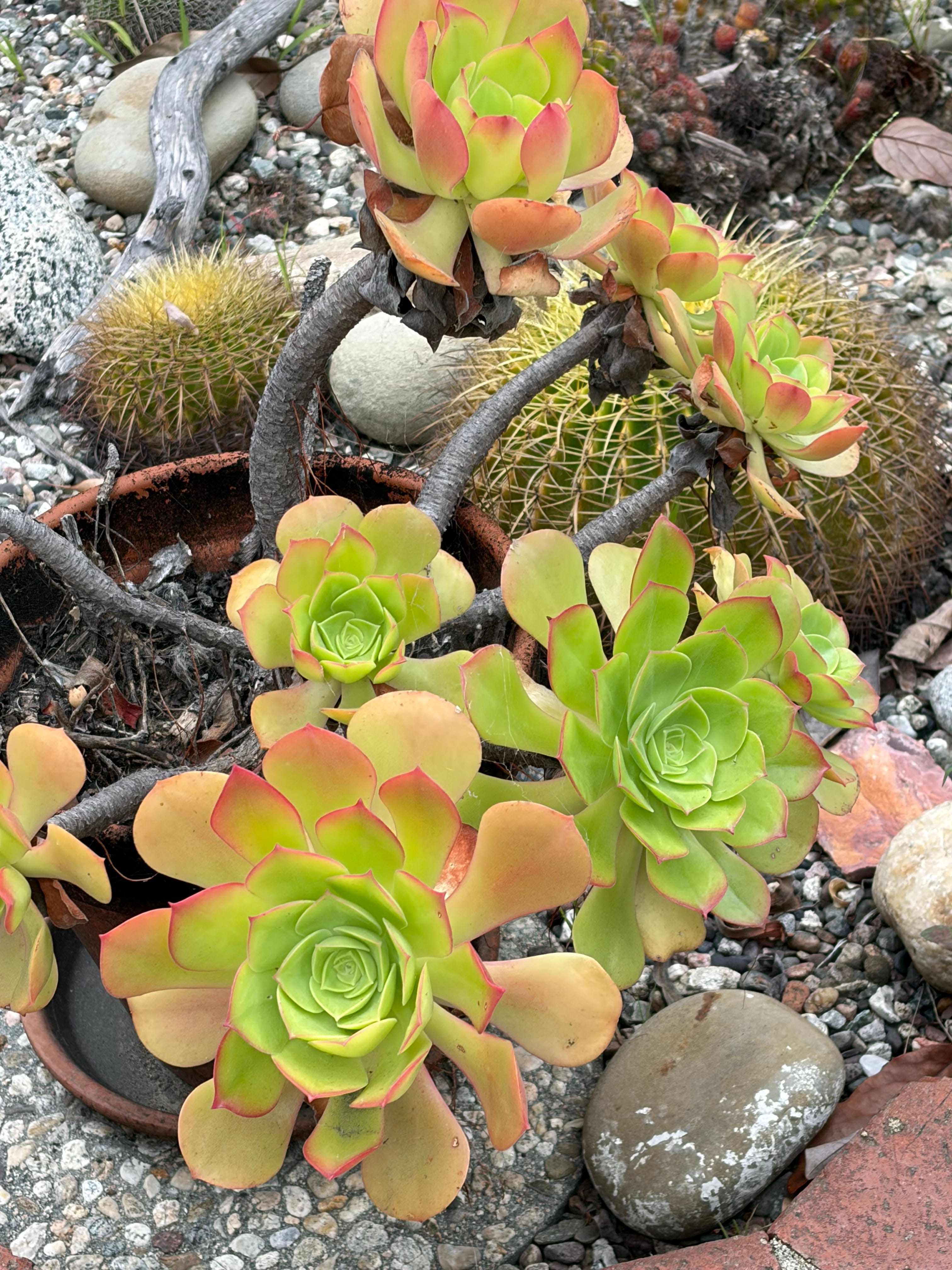
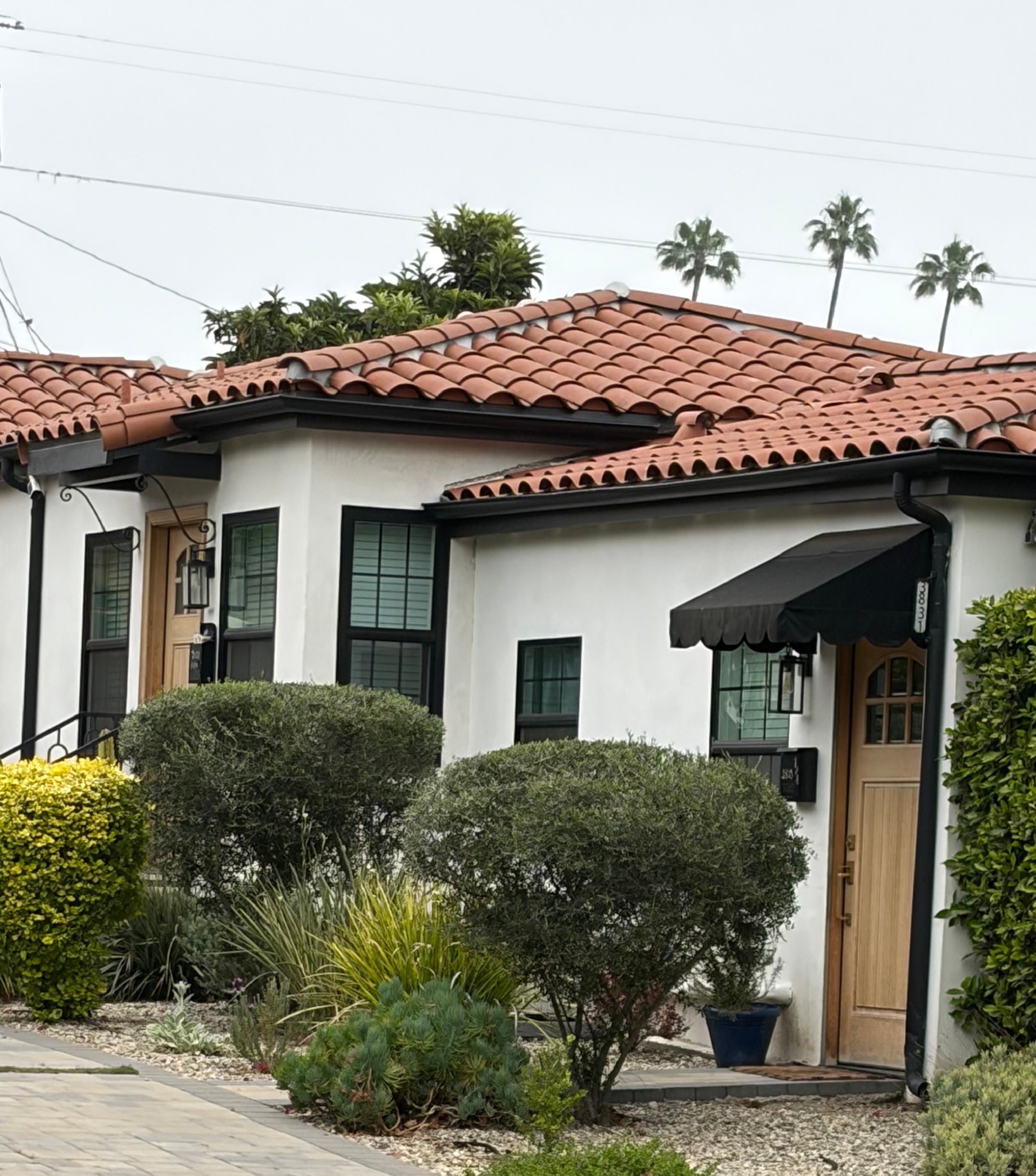
That said, my unlucky streak with LA weather continued from previous trips and it stayed chilly and cloudy throughout my short visit. Is it just me or has it been an exceptionally cold and gloomy spring in the northeast, too? I seem to need more layers than ever before…
I was glad for that first excellent sleep, since Jake and I planned the next day to hit as many neighborhoods as possible on my triangulated lists of most sensible places to look—based on my months of research about air quality, walkability, proximity to the hospitals and my family and the synagogue, etc.
And that’s what we did. We drove for hours through all these “villages” and “cities” within the sprawling city of LA, stopping for food here and there, talking about the feel of the different areas and why the lower rent prices I’d seen online would not be in evidence in the places where it was safe for me to live, how “walkability” didn’t necessarily mean what I thought it did—adorable but pricey cafes and boutiques were not what I would need to walk to. And there seemed to be a six-lane highway going through even the most charming of village centers.
I tried to take notes on my phone and process everything I was seeing, but it was hard to think over the noise in my head that was declaring, pretty emphatically, that this was too much for me. Not the trip. The city. That I wasn’t ready to do this yet—to widen my scope and change my time zone and my landscape and my orientation and my access to my grandson and almost all of my friends who have been a lifeline—to find myself in another unaffordable city where life was zooming past me at a dizzying pace. This feeling never went away.
I had some good conversations with my son and his wife, and with a rabbi from Ikar, and with a friend who has lived in LA for over thirty years, but the upshot was the same: that it takes a lot of logistical effort to live in such a big city. That I would spend a great deal of time on highways in my car. That I would expend a ton of effort trying to bypass people’s professional ambitions to make any deep personal connections. That the costs of living there were well out of my reach at this point in my life.
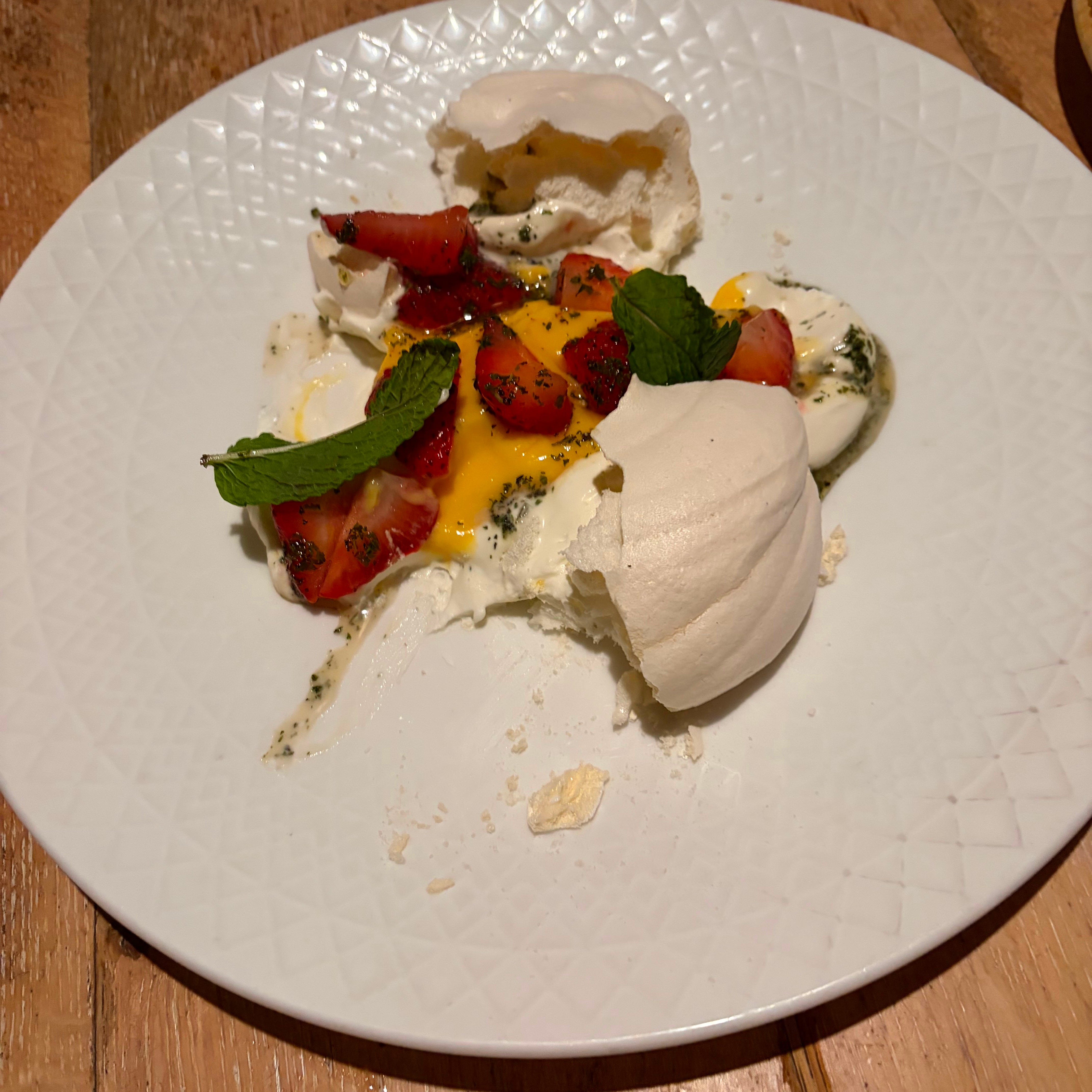
We had a wonderful celebration dinner for my one-year transplant anniversary—I must learn how to make a pavlova!—and then it was time to go home.
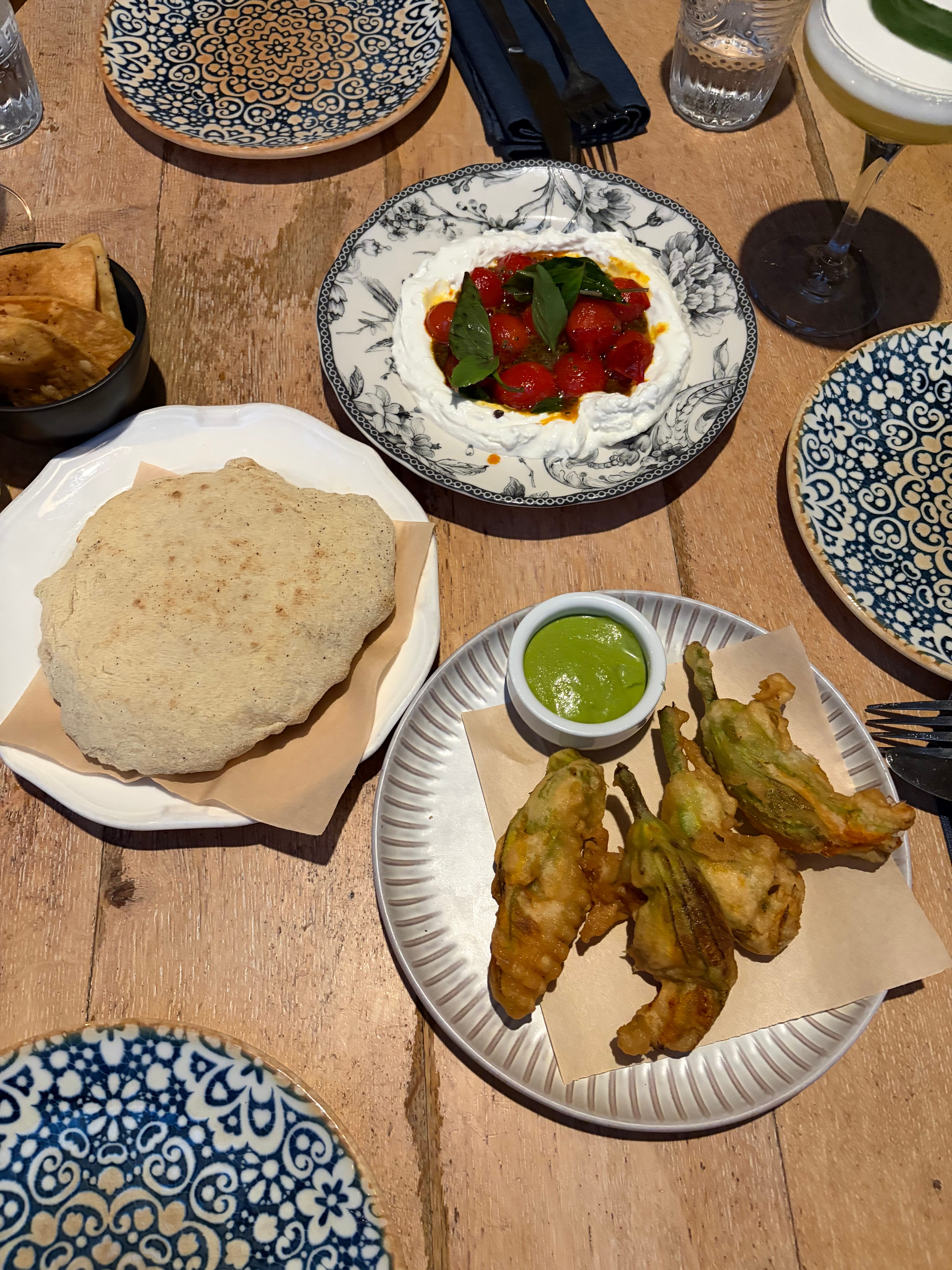
Even factoring in the foods and sights that awakened my tastebuds and my sense of wonder, even setting aside jetlag and the physical exhaustion from traveling for the first time in three years, I was left feeling lost and confused. I realized that for months I’d been sitting on my couch in New Jersey, conjuring a dream life that wasn’t going to play out in reality. Not now. It was a good reminder, too, that what I see online—“walkability score 93%!”—does not always reflect what’s on the ground.
I’ve been trying to sit with the discomfort of this reality check (speaking of mindfulness) and to hold off planning my next steps. To admit that the person who drove her own U-Haul 350 miles down the highway to Washington DC after her divorce (12 years ago now) and embraced all that city life had to offer was not the same person as the one who lives in this body today.
Maybe after a few more leisurely visits and more time has gone by, the LA adventure will feel more doable, more realistic. After all, it’s still only been a year since someone else’s lung was transplanted into my body—and I don’t have a body that tends to bounce back quickly. Maybe this feeling of overwhelming fatigue and frustration will abate with time. Maybe I will make peace with this sense that my former self who I am reaching back to try to reclaim is receding into the distance.
Who knows which version of myself I will become in the future? But meanwhile, I think it’s best for me to admit that I have changed on some fundamental level.
It’s hard to accept such a change: Who I take myself to be is the main driver of these plans I make in my head, and they provide an exciting prospect for my still-uncertain future. But I don’t think I’m doing myself any favors by ignoring loud signals of dismay when I try to ground those plans in the real world. I want to acknowledge that doing hand-to-hand combat with the forces of mortality is a game-changer.
I’m trying to let that be okay. Writing helps. Mindfulness helps. I wish I had more patience with myself—but I find I’m far more generous with everyone else. I’m working on it! Meanwhile, I’m going to keep sitting with the discomfort and try to make that pavlova.
Thank you for this thoughtful post, Rachel! I appreciate knowing that answering the interview questions helped you realize that writing is a mindfulness practice for you. Sending you light as you make sense of next steps ✨✨
Beautiful post!